A crash on US 90 can leave you dealing with injuries, vehicle damage, insurance calls, and questions about what happens next. Knowing what to do after a car accident in Louisiana can help preserve information about the collision and give you a clearer record of what happened. The legal team at Ory Law Group advises claimants to start with the practical steps that protect your health, preserve useful information, and give you a clearer picture of your options.
If you have been involved in a crash and the circumstances raise questions about fault, injuries, or insurance coverage, a Louisiana car accident lawyer can review the situation before you make decisions about a claim.
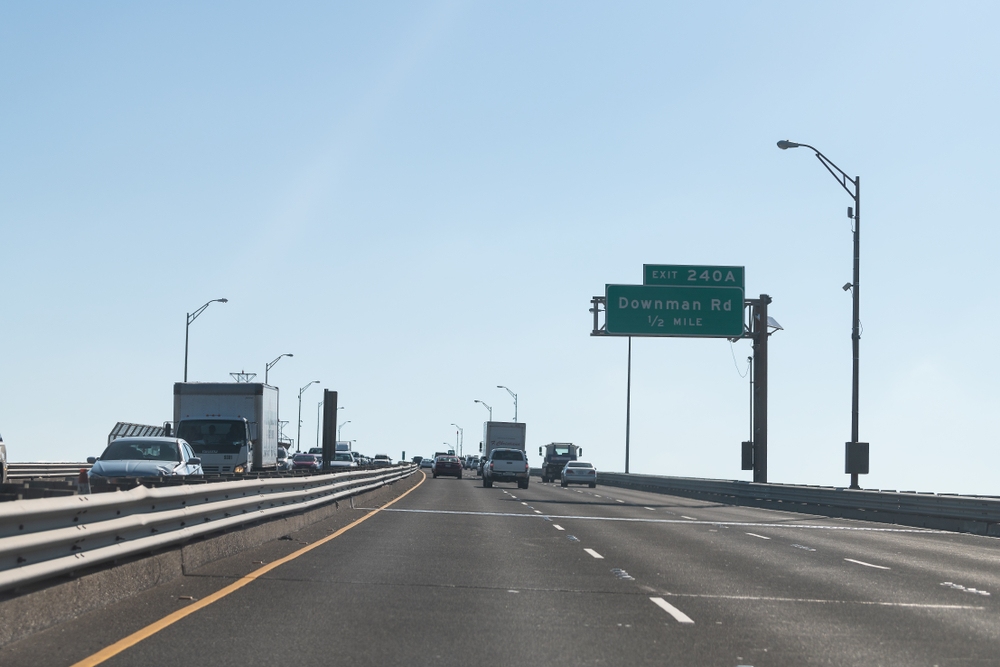
Here are the steps to take after a car accident on Highway 90 in Louisiana.
Key Takeaways:
- The focus should be on safety and creating a record of events and damages, which are key in pursuing a car accident claim.
- Louisiana law requires drivers involved in qualifying crashes to notify the appropriate law enforcement agency immediately, subject to a special 72-hour rule during an evacuation order or declared state of emergency.
- Medical records, photographs, witness information, vehicle records, and other evidence can become important when the cause or seriousness of a crash is disputed.
- Uninsured and underinsured motorist coverage can matter when the other driver's liability insurance is missing or insufficient.
Start With Safety
The first priority after a collision is getting people out of immediate danger and obtaining medical attention when needed. On US 90, where traffic can include passenger vehicles, commercial vehicles, and workers traveling between communities, a disabled vehicle can create another hazard even after the initial impact.
If you can safely move away from traffic, do so while following instructions from law enforcement. Do not put yourself at greater risk just to photograph a vehicle or retrieve an item from the roadway.
Call 911 When the Crash Requires Emergency Response
A crash involving significant injuries, a dangerous roadway condition, a suspected impaired driver, or serious vehicle damage warrants prompt emergency assistance. Tell the dispatcher where the collision occurred as clearly as possible, including the direction of travel and nearby landmarks or intersections.
Medical personnel can evaluate you at the scene. Getting examined the same day also closes off the argument that something other than the crash caused the problem.
When Must You Report a Crash to Louisiana Law Enforcement?
Louisiana Revised Statute 32:398 requires you to notify police immediately after any crash involving injury, death, or more than $500 in property damage. Inside an incorporated city or town, that means the local police department, and outside one, it means the nearest sheriff's office or state police station.
One exception matters along this corridor. If the crash happens in an area under an evacuation order or a declared state of emergency, you have 72 hours rather than immediately.
You are not required to file your own written report with a state agency. The investigating agency forwards the crash report to the Department of Transportation and Development within 48 hours, and that is where a copy is requested from.
Collect Evidence at the Highway 90 Crash Scene
Collecting information at the scene can help preserve details that may become harder to establish later. Only gather evidence when you can do so safely and without interfering with emergency personnel.
If circumstances permit, photograph:
- Vehicle positions before they are moved, when safe
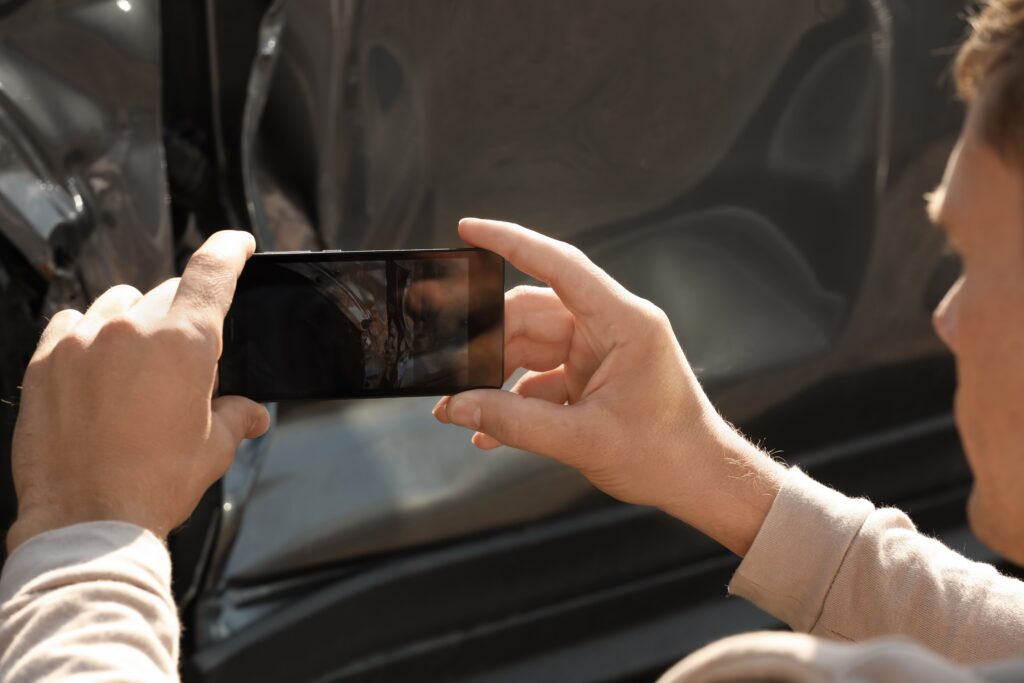
- Damage to every involved vehicle
- Road signs, traffic signals, lane markings, and nearby intersections
- Skid marks, debris, vehicle fluids, or other roadway conditions
- Weather and visibility conditions
- Construction equipment, work zones, barriers, or unusual traffic controls
- Nearby businesses or properties that may have surveillance cameras
Ask the other driver for their license and insurance card, and let them photograph yours. Both of you will need accurate information to file with your insurers.
That information can give a Louisiana car accident lawyer a starting point for understanding what happened. Photographs and notes never take priority over safety.
Keep Your Own Written Account
Once you are in a safe place, write down what you remember while the events are still fresh. Include the approximate time, location, direction of travel, weather, traffic conditions, what you saw before impact, and what happened immediately afterward.
Do not try to turn your notes into a legal argument. A simple factual record can be more useful than a polished account written days or weeks later.
Look for Video Before It Disappears
Businesses, homes, traffic systems, and other nearby properties may have cameras that captured part of a collision. Footage is not necessarily retained indefinitely, so identifying possible sources early can matter.
This is particularly relevant along busy commercial portions of the Highway 90 corridor. A crash near a business district, intersection, parking area, or access road may have more potential video sources than a collision in an isolated stretch.
Thibodaux Drivers Face Their Own Road Conditions
The steps Thibodaux drivers take after a car accident should account for where the collision occurred and what was happening around it. A crash near a busy intersection, commercial area, work zone, or route connecting surrounding communities can involve different evidence than a collision on a quieter road.
What Should You Do in the Days After the Crash?
The Louisiana car accident checklist should continue beyond the scene. The days after a collision are often when insurance representatives begin requesting information, and repair decisions need to be made.
Keep these items together:
- The police or the crash report information
- Photos and videos from the scene
- Names and contact information for witnesses
- Insurance information for every involved vehicle
- Medical records and bills
- Vehicle repair estimates and towing records
- Receipts for accident-related expenses
- Notes about missed work or other financial effects
- Copies of emails, letters, texts, and other communications about the crash
Keeping these records in one place can make the situation easier to manage and reduce the chance that an important document gets lost.
Should You Give a Recorded Statement to the Insurer?
An insurance adjuster may call you shortly after the car crash. The adjuster may ask for information about the collision, your injuries, medical treatment, or what you remember.
You should provide the required information truthfully, but do not guess about facts you do not know. Personal injury attorneys serving Highway 90 can explain the potential significance of a proposed recorded statement before you provide one.
Do Not Sign a Settlement Before Understanding It
A settlement may resolve some or all claims arising from a collision. Once an agreement is signed and accepted, it may affect your ability to pursue additional recovery, depending on the terms and circumstances.
Do not assume that an early offer reflects the full financial impact of an injury. Medical treatment, lost income, vehicle damage, and other consequences may not be fully known immediately after a crash.
Talk With a Louisiana Car Accident Lawyer
A conversation with a lawyer can be useful when injuries are significant, fault is disputed, multiple vehicles are involved, commercial vehicles are part of the collision, insurance coverage is unclear, or an insurer is asking you to make decisions before the consequences of the crash are known.
Timing matters too. Louisiana gives you two years to file a car accident claim under Louisiana Civil Code article 3493.1, a deadline called a prescriptive period, and the clock starts the day the injury or damage is sustained. Acting early also means the evidence still exists when someone goes looking for it.
Our team at Ory Law Group serves the Highway 90 corridor from fully staffed offices in Thibodaux, Houma, and New Iberia. Matt Ory founded the firm around a commitment to serious representation, and our broader team includes a former workers' compensation judge, bringing a courtroom and case-evaluation perspective that extends beyond a single practice area.
What If the Other Driver Has No Insurance?
Uninsured and underinsured motorist coverage can become important when the at-fault driver's insurance is unavailable or does not provide enough coverage for the losses involved. Louisiana law generally requires UM coverage in automobile liability policies unless the insured properly rejects it, selects lower limits, or selects an authorized economic-only form of coverage.
Louisiana Revised Statute 32:900 sets the minimum liability limits at 15/30/25: $15,000 for injury to one person, $30,000 for injury to two or more people in one crash, and $25,000 for damage to someone else's property.
Those minimum limits may be inadequate when a collision causes substantial medical treatment, prolonged disability, or significant property damage. That is one reason it can be useful to review your own policy rather than looking only at the other driver's insurance.
Depending on the circumstances, potentially relevant coverage may include your own automobile policy, a household member's policy, a commercial policy, or coverage connected to a business or transportation service.
How Does Fault Work After a Louisiana Car Accident?
Louisiana's current comparative-fault rule can reduce damages according to a person's percentage of fault, but a person whose assigned fault is 51% or more generally cannot recover damages under Louisiana Civil Code article 2323. The law was amended effective January 1, 2026, so older articles describing Louisiana as a pure comparative-fault state may now be outdated.
That makes evidence important when the drivers disagree. A statement that you were speeding, following too closely, changing lanes, or otherwise contributed to the collision should be evaluated against photographs, witnesses, video, physical evidence, and other available information.
For example, a driver turning across Highway 90 may later claim that the approaching vehicle was traveling too fast. The question is not simply what one driver says afterward, but what the available evidence shows about speed, visibility, traffic signals, distance, and the sequence of events.
Do not assume that an insurer’s initial fault percentage is the final legal determination. A Houma personal injury lawyer can review the factual basis for that assessment and challenge it when the available evidence does not support the insurer’s position.
FAQs: What to Do After a Car Accident in Louisiana
These questions address issues that often arise after the immediate crash-scene steps are complete.
Should I repair my vehicle before an insurance company inspects it?
Before making substantial repairs, consider whether the vehicle needs to be preserved for inspection or whether photographs and estimates are sufficient for the circumstances. If the vehicle must be repaired for safety or practical reasons, keep detailed photographs, estimates, invoices, and records of the vehicle's condition.
What if the other driver left the scene?
A hit-and-run collision should be reported to law enforcement as soon as possible. Write down everything you remember about the vehicle and driver, including direction of travel, vehicle type, color, license plate information, and any identifying features, and look for witnesses or available video.
What if the accident had happened while I was working?
The answer can depend on whether you were driving your own vehicle, a company vehicle, or another person's vehicle and whether the collision occurred during employment. A work-related crash may also raise workers' compensation or third-party liability issues, so the circumstances should be reviewed carefully.
Can I still speak with a lawyer if the insurance company has already offered money?
An insurance offer does not prevent you from seeking legal advice about the situation, although the effect of any agreement or release depends on what has been signed and accepted. Before accepting a settlement, speak with an attorney to help you understand what claims and rights the agreement addresses.
What if my crash happened in Houma rather than Thibodaux?
If you are wondering what to do after a car accident in Houma, Louisiana, the immediate steps are the same, but the paperwork lands in a different parish. A Houma crash is reported to Terrebonne Parish authorities, and any suit is filed in the 32nd Judicial District Court, while a Thibodaux crash goes to Lafourche Parish and the 17th. If your crash happened near the parish line on US 90, that distinction is worth sorting out early.
A Highway 90 Crash Does Not Have to Leave You Guessing About the Next Step
The hours after a collision are filled with practical decisions, from medical care and crash reporting to preserving evidence and understanding insurance coverage. Do not let a quick insurance conversation substitute for a review of the facts that actually apply to your crash. Ory Law Group has fully staffed offices in Thibodaux, Houma, and New Iberia, serving people throughout the Highway 90 corridor.
Call us at (855) 628-8679 for a free consultation and tell our team what happened, where the crash occurred, and what you are dealing with now.

Matthew D. Ory
Attorney
Since obtaining his juris doctorate in 2007, Matthew Ory has developed a reputation as a tenacious trial lawyer who implements strategic approaches that resonate with a jury. He has extensive experience trying cases throughout South Louisiana.
Author's Bio