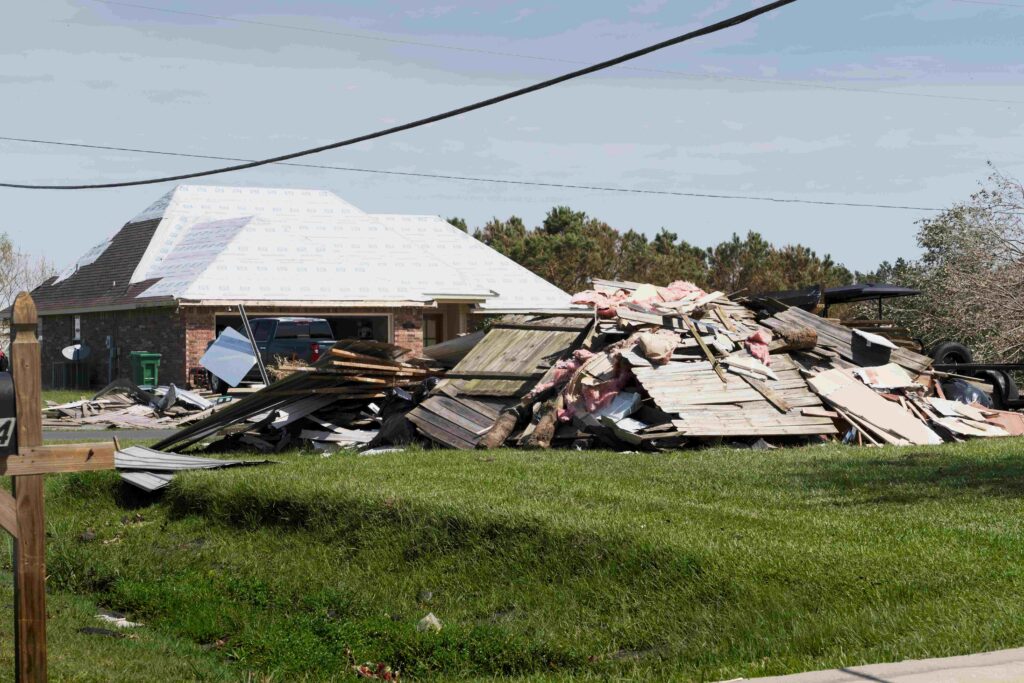
Filing a hurricane damage insurance claim in Louisiana can feel like a second storm. The roof is open, the contractor wants a deposit, and the adjuster who walked the property for 20 minutes has questions about whether the water came from above or below.
We have watched South Louisiana families rebuild after Katrina, Gustav, Laura, Delta, Zeta, and Ida. The pattern repeats: the storm is the emergency, and the claim becomes the long fight.
At Ory Law Group, we help homeowners and business owners across Lafourche, Terrebonne, St. Mary, and Iberia parishes hold carriers to what the policy promised. What follows is general information about how these claims work in Louisiana, not legal advice about your specific policy.
Key Takeaways about Louisiana Hurricane Insurance Claims
- Most Louisiana homeowners' policies cover wind and wind-driven rain but exclude flood and storm surge damage.
- Flood coverage generally comes from a separate National Flood Insurance Program policy, which has its own limits and waiting period.
- Wind versus flood causation is the single most common dispute after a named storm, and it often decides the value of a claim.
- Louisiana Revised Statutes 22:1892 sets time limits for insurers to begin adjusting a claim and to pay undisputed amounts.
- Policyholders who document damage thoroughly and early are in a far stronger position if the claim is later disputed.
- Louisiana law provides penalties and attorney fees when an insurer's failure to pay is arbitrary, capricious, or without probable cause.
What Should Louisiana Homeowners Know About a Hurricane Damage Insurance Claim?
A hurricane damage insurance claim in Louisiana usually succeeds or fails on two things: proving what the wind did, and proving it on the insurer's timeline.
- Standard homeowners' policies generally cover wind damage but exclude flooding.
- Flood damage typically requires separate coverage through the National Flood Insurance Program.
- Louisiana law sets deadlines for insurers to start adjusting and to pay what is undisputed.
- When a carrier delays or denies without a reasonable basis, penalties and attorney fees may be available.
Every policy is different, so the language in yours controls.
What Does a Homeowners Policy Actually Cover After a Hurricane?
A standard Louisiana homeowners policy generally covers damage caused by wind, including rain that enters through a wind-created opening. That covers a great deal of what a hurricane does to a house.
Typical covered losses include roof damage from wind uplift, siding and window damage from wind-borne debris, interior water damage that followed a breach in the roof or walls, and the cost of temporary repairs to prevent further loss. Many policies also pay additional living expenses while a home is uninhabitable.
What these policies almost always exclude is flooding. Rising water, storm surge, and water that comes in at ground level fall outside the homeowner's policy in nearly every case.
Named Storm and Hurricane Deductibles
Louisiana policies commonly apply a separate, percentage-based deductible when damage is caused by a named storm. Instead of a flat dollar figure, the deductible is calculated as a percentage of the insured value of the dwelling.
That difference surprises people. On a home insured for $300,000, a 2% named-storm deductible means the first $6,000 of loss is your responsibility before coverage begins. Checking which deductible your carrier applied is worth doing on every storm claim.
Why Do Insurers Dispute Wind Versus Flood Damage?
Insurers dispute causation because it decides who pays. Wind damage is the homeowner's carrier's responsibility, while flood damage usually belongs to a separate flood policy.
After a hurricane, a single property often has both. The roof failed, and then surge came through the first floor. Untangling which damage came from which force is genuine engineering work, and carriers sometimes resolve the ambiguity in their own favor.
Evidence that helps establish wind causation includes:
- Photographs showing damage above the waterline
- Roof and attic documentation taken before repairs begin
- Weather data showing sustained wind speeds at the property's location
- Debris patterns and directional damage consistent with wind
- Independent engineering assessments when the carrier's conclusion does not match the property
Because most of this evidence exists in the first days after a storm, early documentation often determines a dispute that surfaces months later.
Do You Need Separate Flood Insurance in Louisiana?
For most Louisiana property owners, yes, because a homeowner’s policy will not respond to flood damage. The Federal Emergency Management Agency is direct about this: most homeowner's insurance does not cover flood damage, and flood insurance is a separate policy.
The National Flood Insurance Program offers building coverage and contents coverage, and the two are purchased separately. Coverage limits are capped, which is why some property owners carry private flood coverage on top of an NFIP policy.
Timing matters as well. An NFIP policy generally takes 30 days to take effect, so buying coverage as a storm approaches will not help for that storm. Anyone who has spent a summer watching the Gulf knows how quickly the forecast cone can shift toward Terrebonne and Lafourche.
If your damage involves both wind and water, you may be dealing with two carriers, two adjusters, and two sets of rules at once. Our Louisiana flood damage insurance claim attorney team handles both sides of that problem, so the claims do not work against each other.
Documenting Storm Damage So the Claim Holds Up
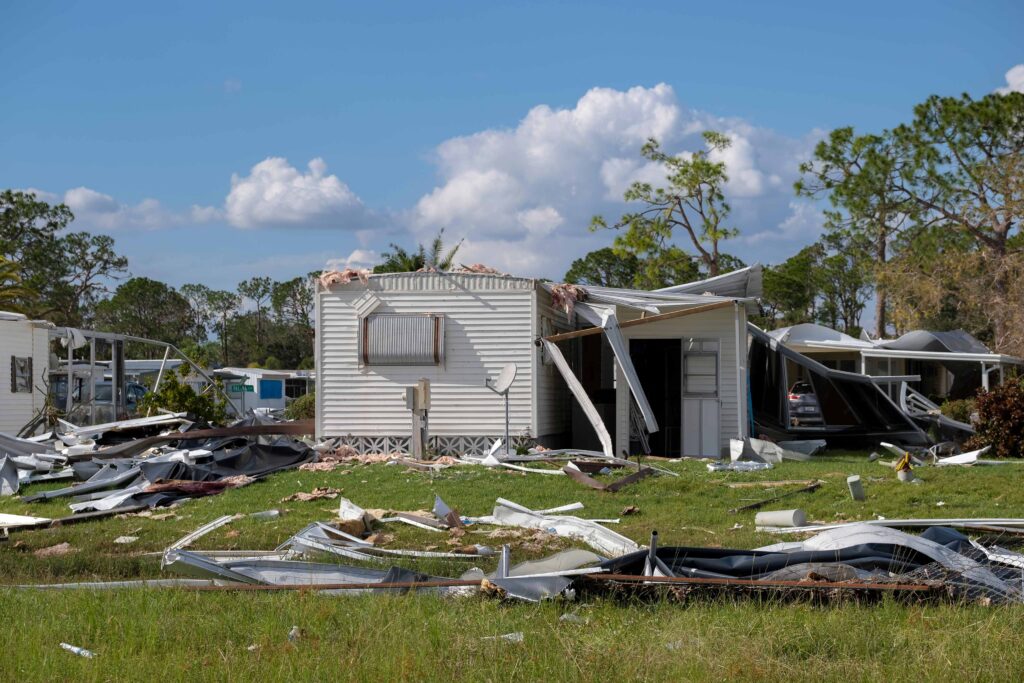
Thorough documentation is the most valuable thing a homeowner can do without a lawyer. Adjusters change, files get reassigned, and repairs erase proof, so your record may be the only complete one that survives.
Practical steps that consistently strengthen a claim:
- Photograph and video every room and every elevation of the property before cleanup begins
- Capture wide shots for context and close shots for detail
- Keep damaged materials when it is safe to do so, especially roofing and siding samples
- Save every receipt, including tarps, temporary lodging, and emergency repairs
- Write down the date, time, name, and substance of every call with the carrier
- Submit your proof of loss in writing and keep a copy
Keep these records somewhere that survives the next storm, whether that is cloud storage or a relative's house outside the area. A claim file that lives only on a phone in a flooded kitchen is not a claim file.
What Are the Deadlines on a Louisiana Hurricane Damage Claim?
Louisiana sets deadlines for the insurer, and your policy sets deadlines for you. Under Louisiana Revised Statutes 22:1892, an insurer must pay the amount of a claim due within 30 days after receiving satisfactory written proof of loss.
The statute also requires carriers to begin adjusting a claim promptly after being notified, with a longer window for catastrophic losses and additional time allowed during a declared emergency or disaster. Those extensions exist for a reason after a major hurricane, but they are not unlimited.
On your side, most property policies include a suit limitation clause setting how long you have to file suit against the carrier, often measured in years from the date of loss. Louisiana also imposes a two-year statute of limitations for bad-faith claims against insurers.
Because the exact deadline depends on your policy language and the date of your loss, confirming it early is worth the phone call. Missing it usually ends the claim, regardless of how strong the evidence of damage is.
When a Hurricane Insurance Claim Is Denied or Underpaid in Louisiana
A denial is not the end of the process. Carriers regularly reverse positions once additional documentation, an independent estimate, or an engineering report is added to the file.
Common reasons claims get denied or paid short include:
- The carrier attributes damage to flood rather than wind
- Damage is characterized as pre-existing wear rather than storm-related
- The estimate omits code upgrades required to rebuild legally
- Depreciation is applied aggressively, reducing the actual cash value payment
- Matching materials for undamaged adjoining areas are excluded
- The adjuster's inspection was brief and missed hidden damage
If any of these describe your file, request the carrier's written explanation and its full estimate. Those documents show the reasoning you will need to answer.
Bad Faith and Your Rights Under Louisiana Insurance Law
Louisiana gives policyholders meaningful leverage when a carrier handles a claim unreasonably. When an insurer's failure to pay is found to be arbitrary, capricious, or without probable cause, it can be responsible for a penalty in addition to the loss itself, along with reasonable attorney fees and costs.
The statutory framework changed in 2024. Louisiana repealed Revised Statutes 22:1973 effective July 1, 2024, and moved the insurer's good faith duties into the amended version of 22:1892, along with a new section addressing catastrophic losses to property.
That newer catastrophic loss provision matters for hurricane claims specifically. It requires a policyholder to give the insurer written notice of the dispute and a formal demand, then allows the carrier a cure period to resolve it before suit can proceed.
Older articles and even some law firm websites still cite 22:1973 as current law. The underlying protections largely survive, but the statute they live in has changed, which is one reason a bad faith insurance claims lawyer Louisiana homeowners can reach quickly is worth having in your corner.
How a Louisiana Hurricane Damage Claim Attorney Helps
Most of the value comes from evening the information gap. The carrier has adjusters, engineers, and counsel. You have a damaged house and a policy written in language that was not designed for easy reading.
Our work on these claims typically involves:
- Reading the full policy, including endorsements that change coverage
- Obtaining the carrier's file, estimate, and photographs
- Retaining independent adjusters or engineers where causation is contested
- Preparing and submitting the statutory notices Louisiana law requires
- Documenting delays and communications that bear on good faith
- Filing suit when the carrier will not resolve the claim fairly
We know this region because we live in it, with fully staffed offices in Thibodaux, Houma, and New Iberia. Our Louisiana hurricane damage insurance claims attorney team reviews these claims at no cost, so you can find out where you stand before deciding anything.
FAQs about Hurricane Damage Insurance Claims in Louisiana
Here are the questions Louisiana homeowners ask us most often after a named storm.
Can I still open a claim months after the hurricane?
Often yes, though it depends on your policy's notice requirements and the applicable deadlines. Hidden damage, particularly in roofs and attics, frequently surfaces long after the storm. Report it as soon as you find it and document why it was not apparent earlier.
Should I accept the first settlement offer?
Not without understanding what it covers. Early offers are frequently based on a brief inspection and may exclude code upgrades, hidden damage, or full replacement cost. Accepting and cashing a payment does not always close the claim, but the language on the check and the release matters a great deal.
What is the difference between actual cash value and replacement cost?
Actual cash value pays what the damaged property was worth, accounting for depreciation, while replacement cost pays what it takes to replace it. Many policies pay actual cash value first and release the remainder after repairs are completed. Knowing which applies tells you whether a payment is partial or final.
My mortgage company is holding the insurance check. Is that allowed?
Generally yes. Lenders are commonly named on policies and may require inspections before releasing funds in stages as repairs progress. Ask the servicer for its written disbursement process so you can plan contractor payments accordingly.
Can a landlord's tenant make a claim for damaged belongings?
A tenant's personal property is typically covered by renters' insurance rather than the landlord's policy. The landlord's coverage addresses the building itself. Renters with flood exposure need separate contents coverage, since the same flood exclusion applies.
What if my insurance company went insolvent after the storm?
Louisiana has a guaranty association that can step in for claims against insolvent insurers, subject to statutory caps and procedures. Several carriers have failed following major Louisiana storms. The process differs from an ordinary claim, so getting guidance early is sensible.
Does filing a claim raise my rates or risk nonrenewal?
Rate and renewal decisions depend on the carrier, your claims history, and market conditions across the region. Many Louisiana homeowners have seen changes after widespread storm losses, regardless of individual claims. That concern is understandable, though it rarely justifies absorbing a covered loss yourself.
Talk With Our Louisiana Insurance Claims Team
You paid premiums for years, expecting the policy to work when it mattered. If your carrier is delaying, disputing causation, or paying far less than the damage warrants, you do not have to accept that answer alone.
We will review your policy, your estimate, and the carrier's position, and we will tell you honestly whether we think the claim is being handled fairly. The consultation is free, and we are available 24/7.
Ory Law Group serves homeowners and business owners throughout South Louisiana from offices in Thibodaux, Houma, and New Iberia. Call (855) 628-8679, or simply ask for Ory at 855-MATT-ORY.